Dolor sit amet
Consectetur adipiscing
Dolor sit amet
Tempor incididunt
Lorem ipsum
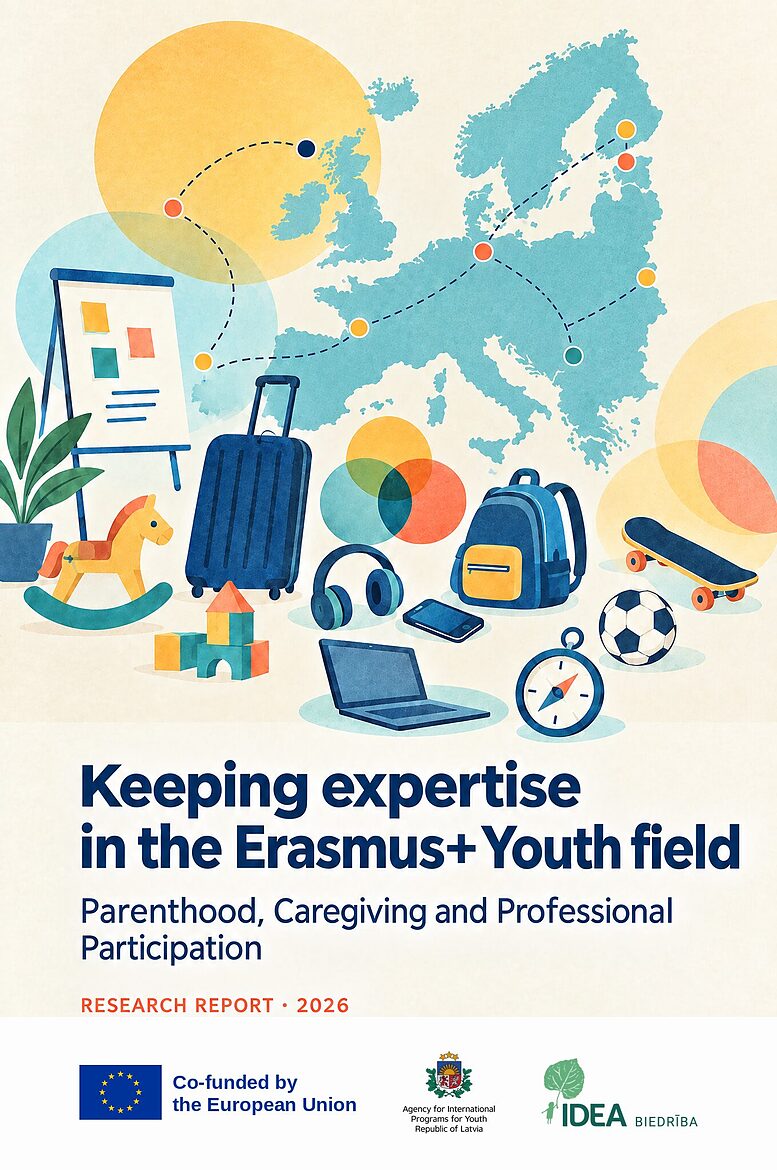
What happens to the participation of trainers, youth workers and project managers in Erasmus+ when they become parents? NGO “ideA” has prepared the research report “Keeping expertise in the Erasmus+ Youth field. Parenthood, Caregiving and Professional Participation”. It was developed within the Erasmus+ project “Supporting Parents’ Expertise in Erasmus+” (No. 2026-1-LV02-KA153-YOU-000391972).
The research is based on three sources:
What you will find in the report:
Key findings:
The report is written for trainers, youth workers, organisations and National Agencies.
👉 Download the report: https://ej.uz/parenting_research_report
👉 Presentation of the research report: https://ej.uz/uxx7
The report will be presented online on 13 October:
Thank you to everyone who shared their experience: the seminar participants, survey respondents and roundtable experts, as well as our partners in Poland, Austria, Hungary, Bulgaria and Italy.
Report authors: Madara Mazjāne and Lauma Gulbe.
Co-funded by the European Union. Views and opinions expressed are however those of the author(s) only and do not necessarily reflect those of the European Union, European Commission or the granting authority (Agency for International Programs for Youth). Neither the European Union nor the granting authority can be held responsible for them.
We asked 47 trainers, youth workers and project managers from 13 countries. Some answers surprised even us.
On 13 October we present the research report “Keeping Expertise in the Field”, with a practical checklist for family-inclusive mobilities and calls to attention for National Agencies.
 Google Meet: https://meet.google.com/bug-cqcv-xad
Project No.: 2026-1-LV02-KA153-YOU-000391972
Action: Erasmus+ Mobility of Youth Workers (KA153-YOU)
Project period: 1 June – 31 October 2026
Applicant organization: NGO “ideA” (Latvia)
When trainers, youth workers and project managers become parents, taking part in Erasmus+ often becomes harder. Travel, childcare, long programme days and expectations about availability can push experienced professionals out of the field. The project looks at these barriers and turns the lived experience of parent-professionals into evidence, practical tools and recommendations. The aim is that experienced people can keep contributing to Erasmus+ youth work while they care for their families.
International seminar “Supporting Parents’ Expertise in Erasmus+”
📍 Jelgava, Latvia · 📅 26–29 August 2026 (plus travel days)
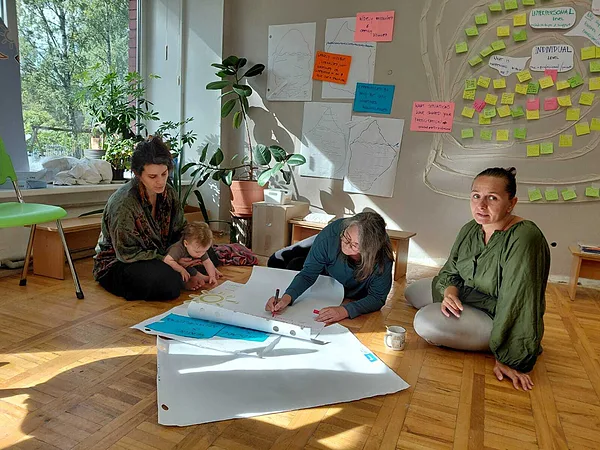
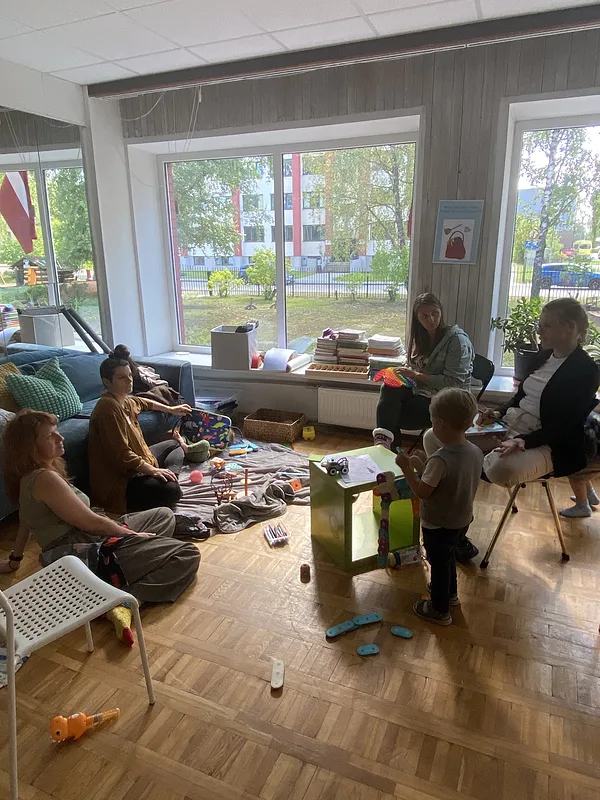
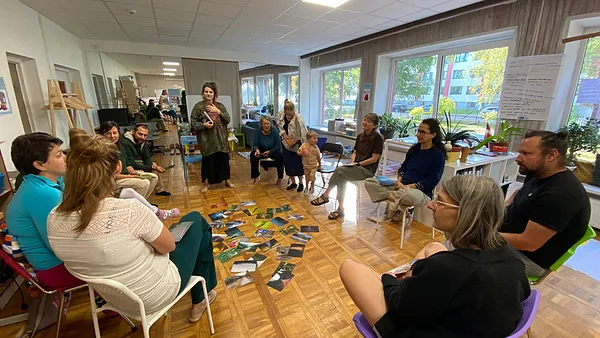
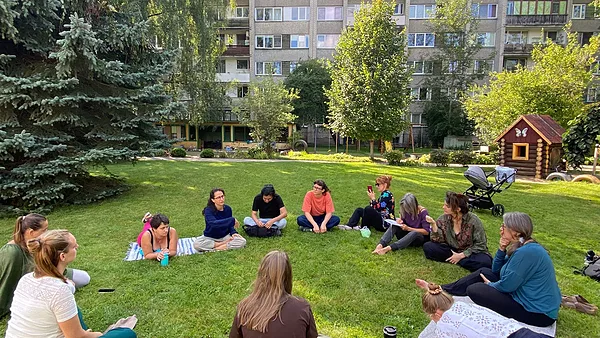
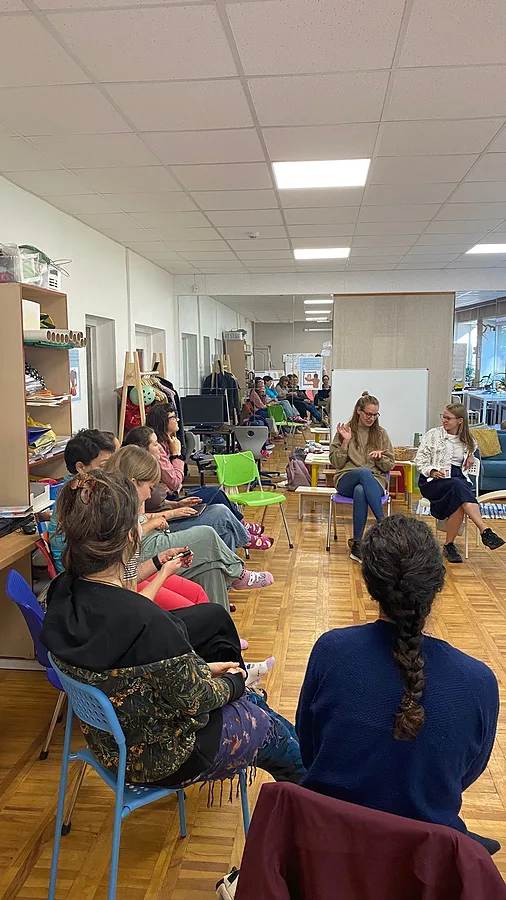
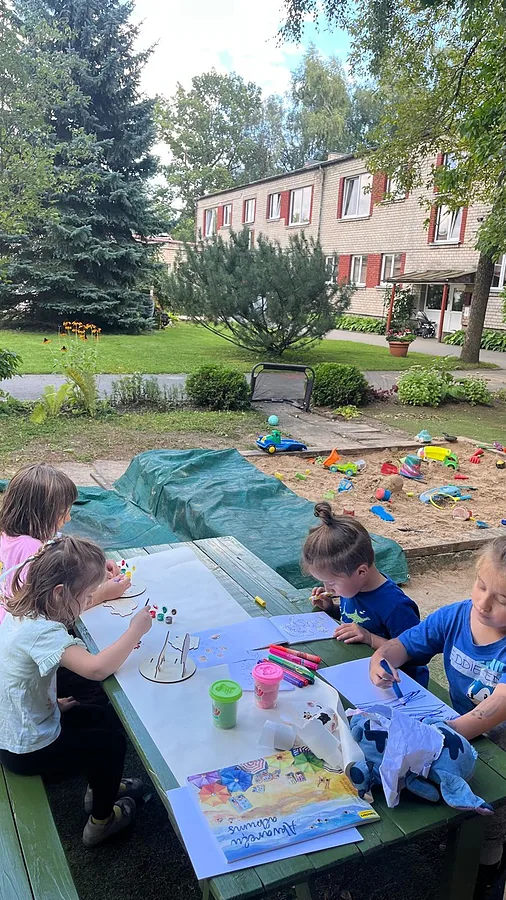
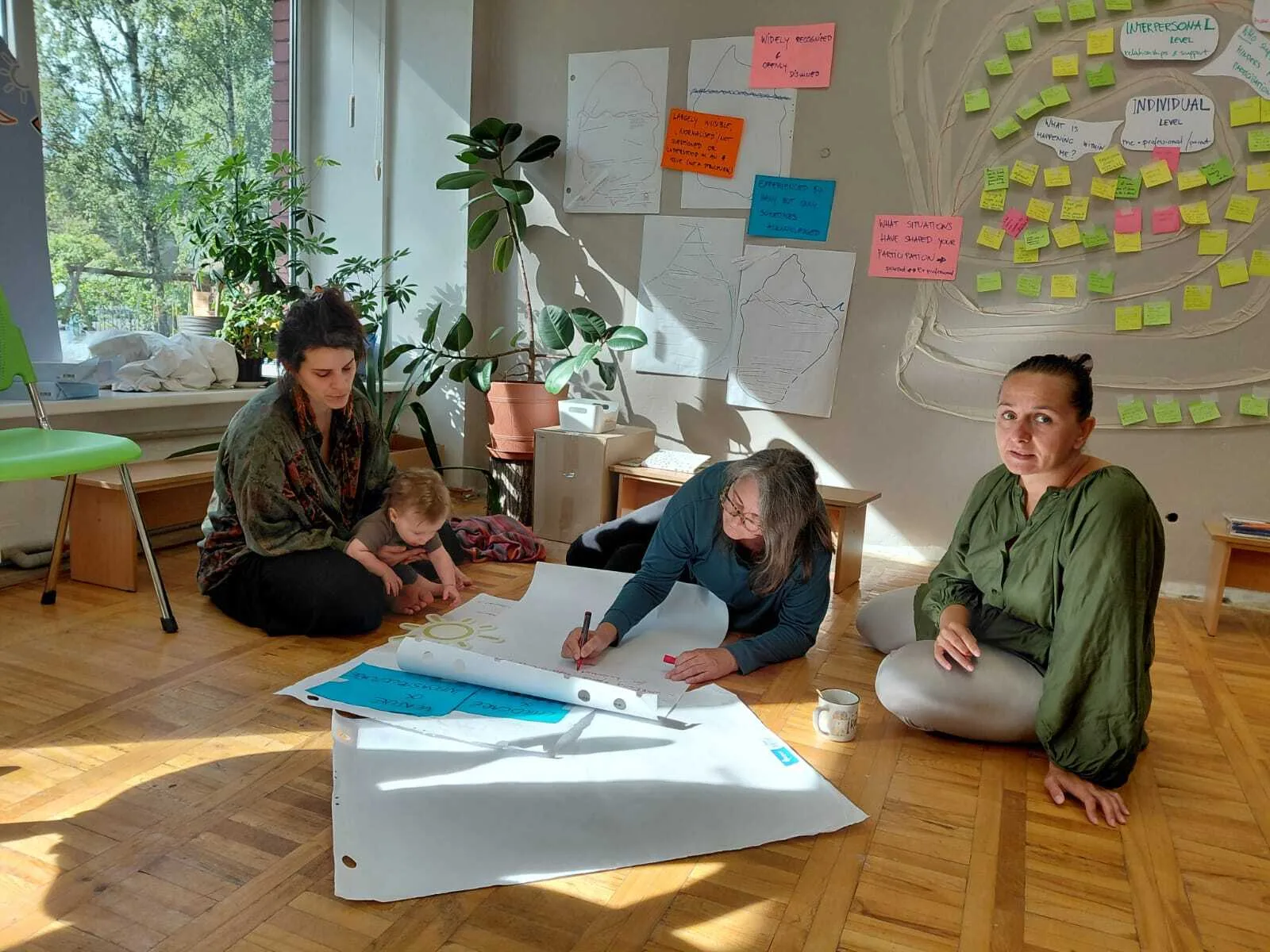
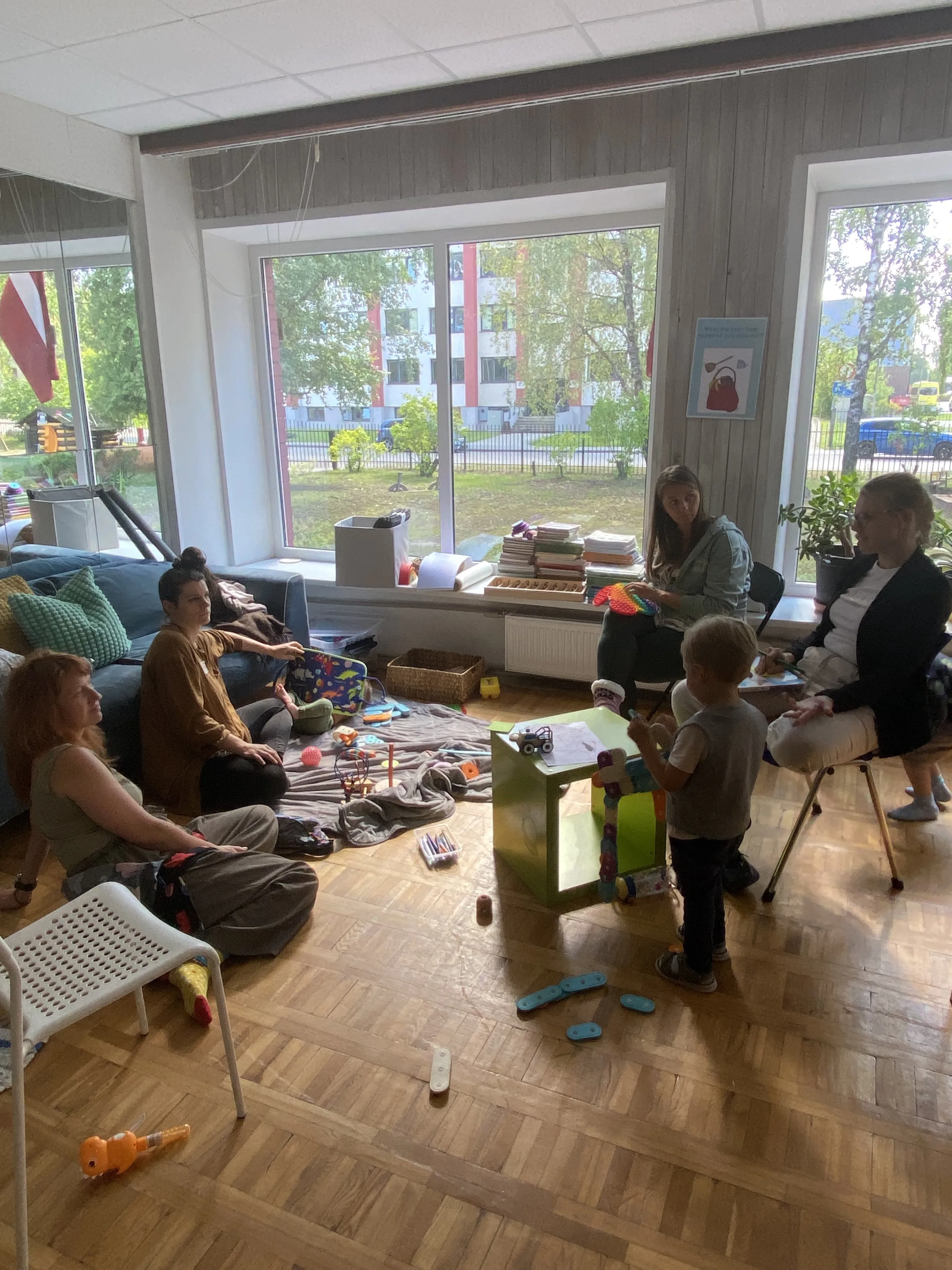
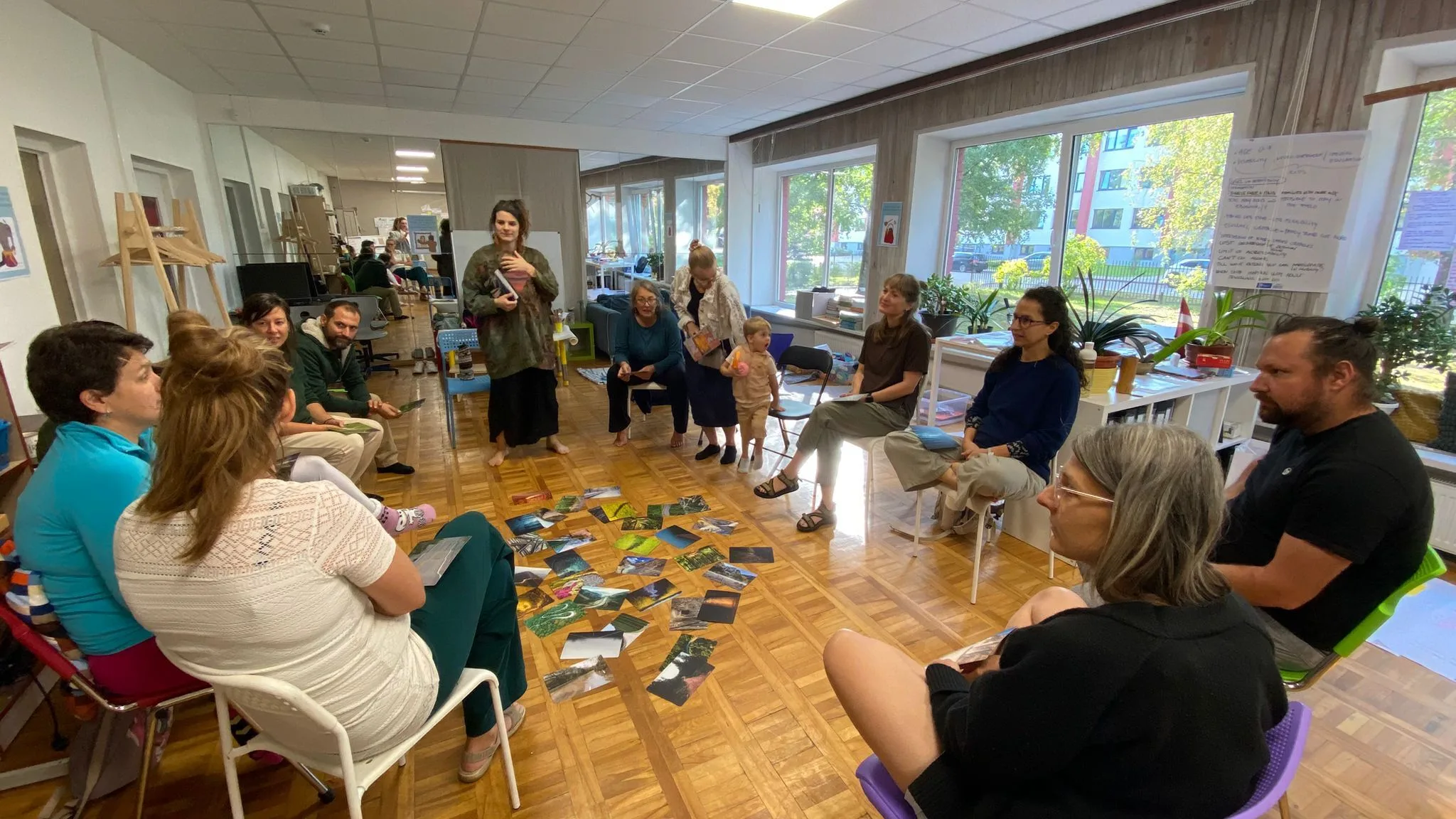
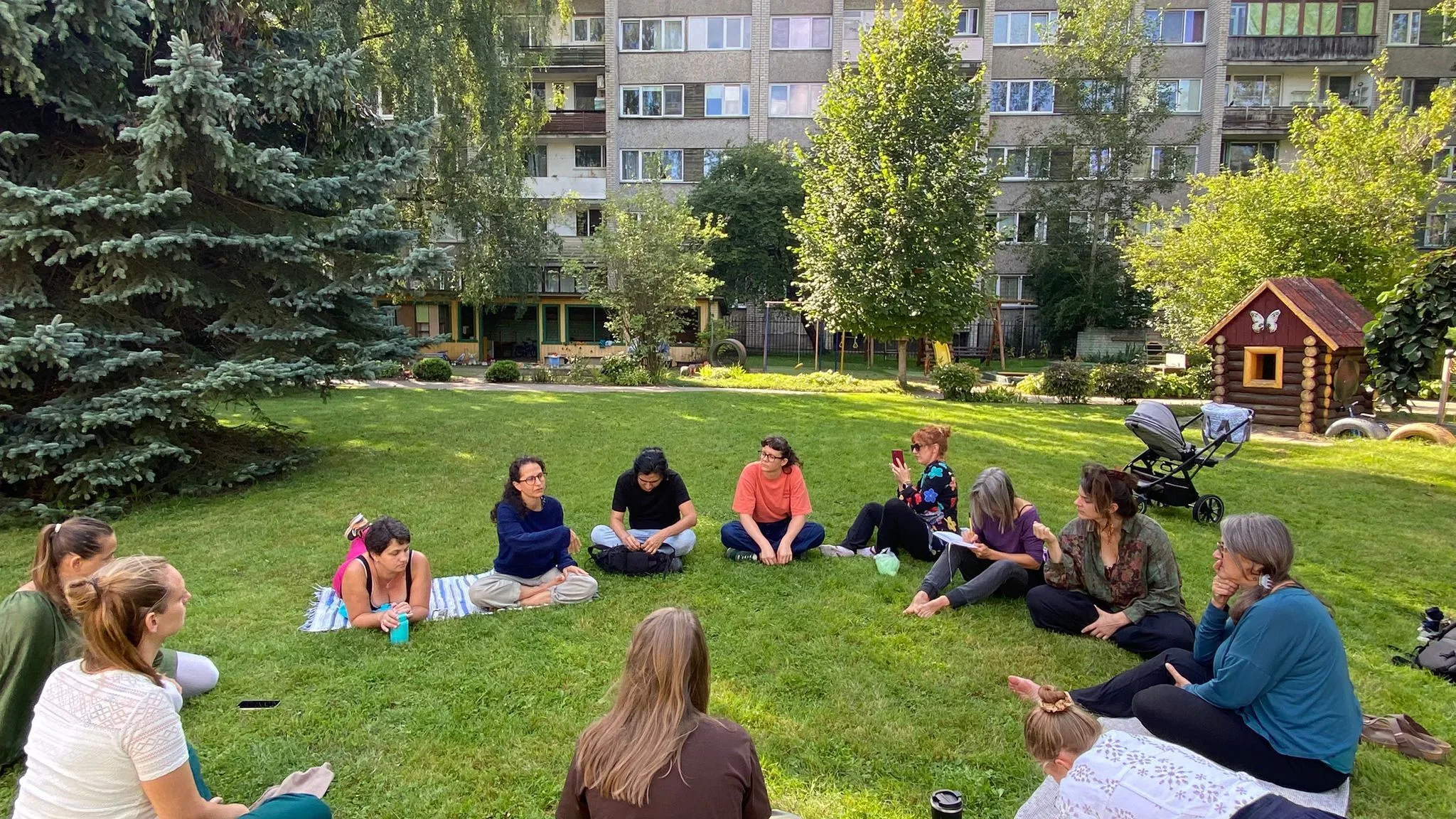
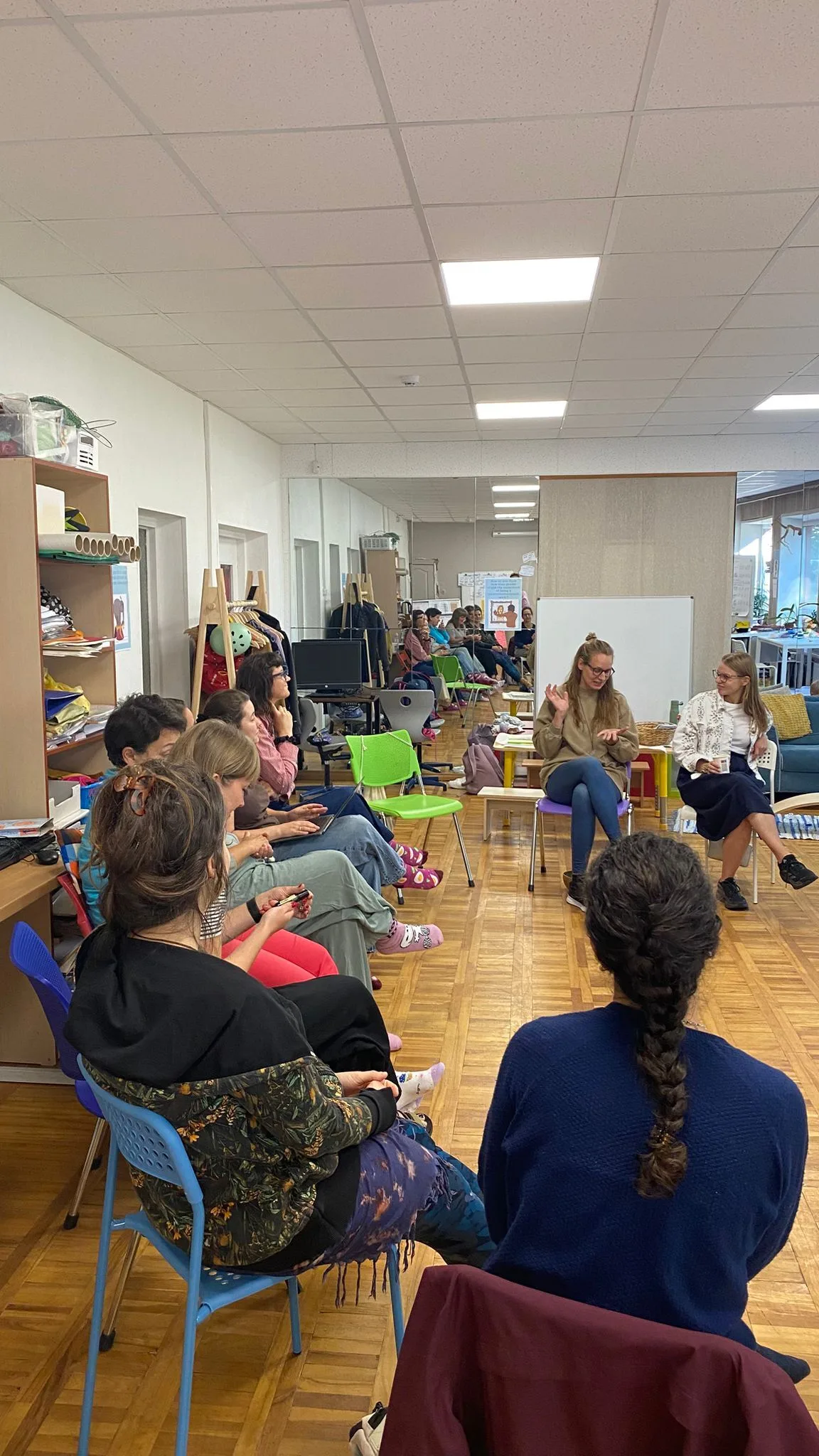
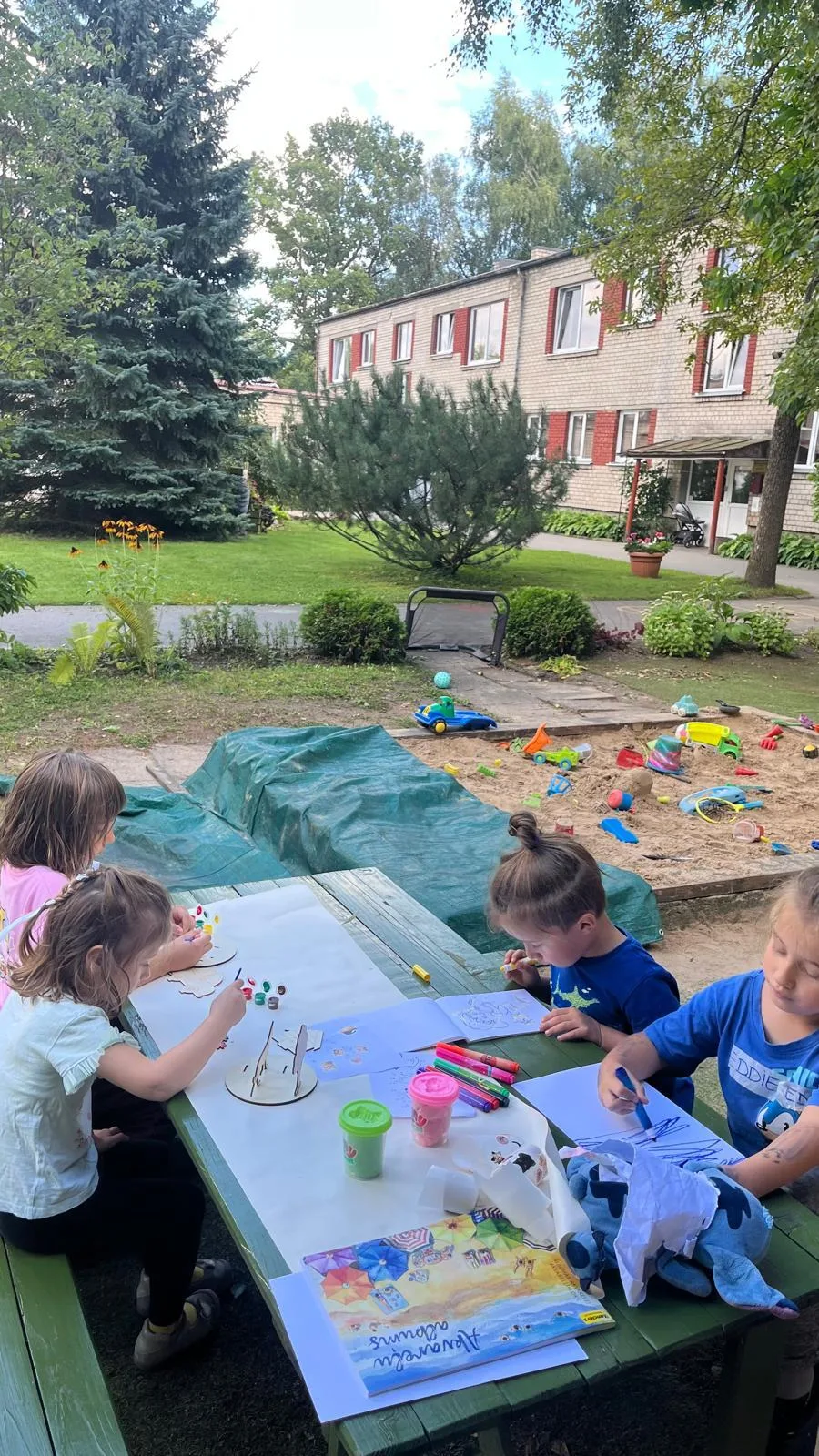
The 4-day seminar brought together 16 youth workers, trainers, facilitators and project coordinators from 8 countries: Latvia, Slovakia, Poland, Austria, Hungary, Lithuania, Bulgaria and Italy. Many of them are parents of young children. The seminar itself was family-inclusive. It took place at a child-friendly venue with a child-safe learning zone and a dedicated family support person, so parents could take part together with their children.
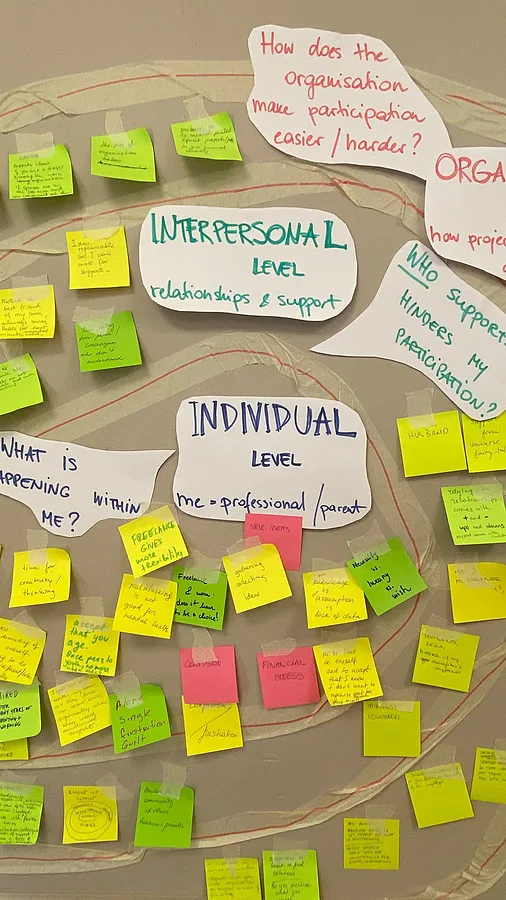
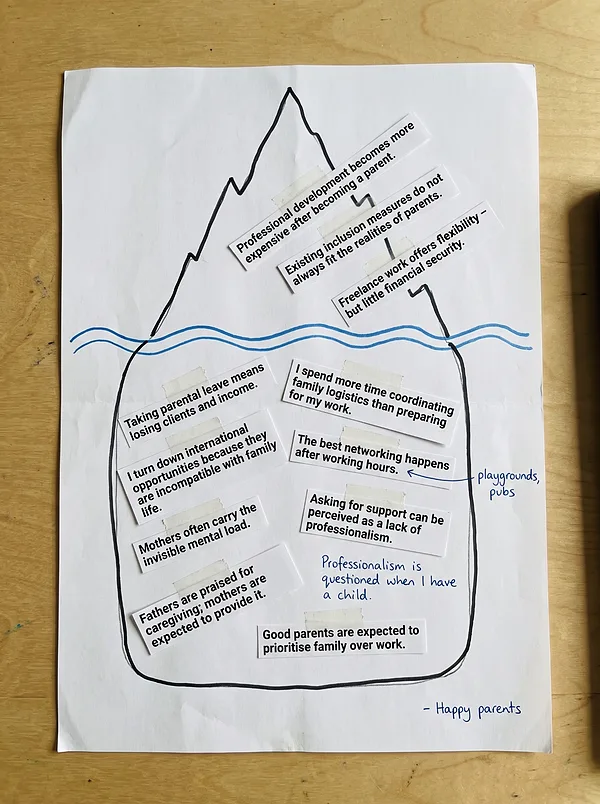
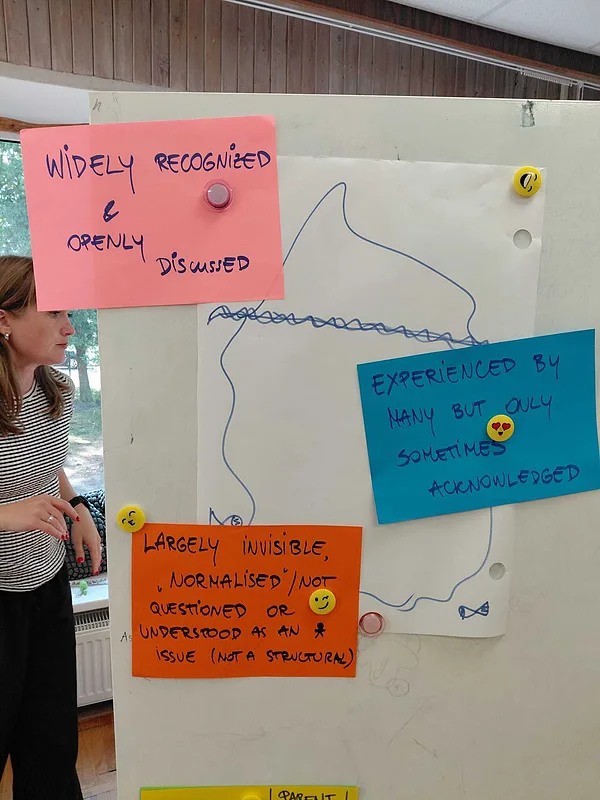
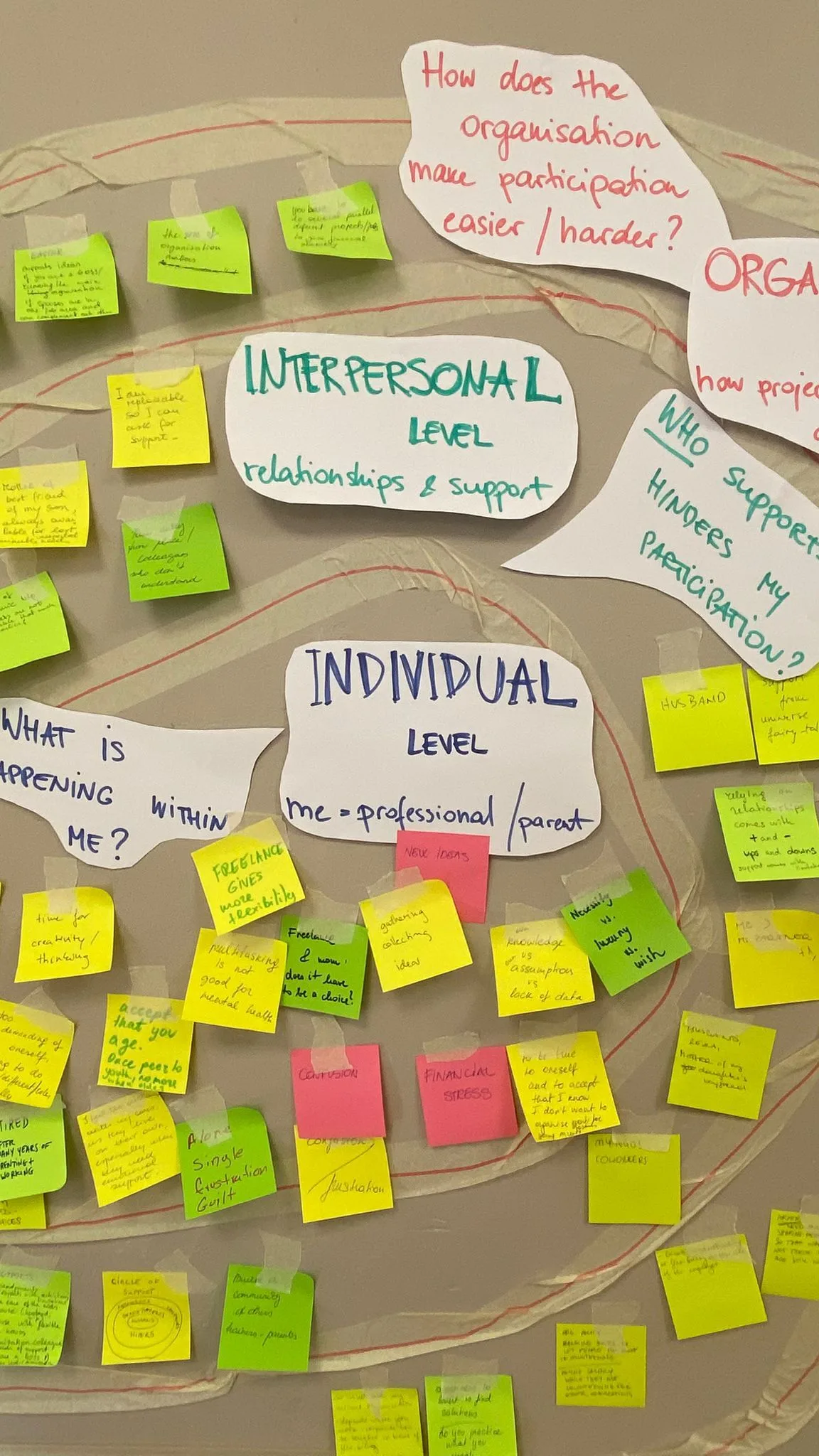
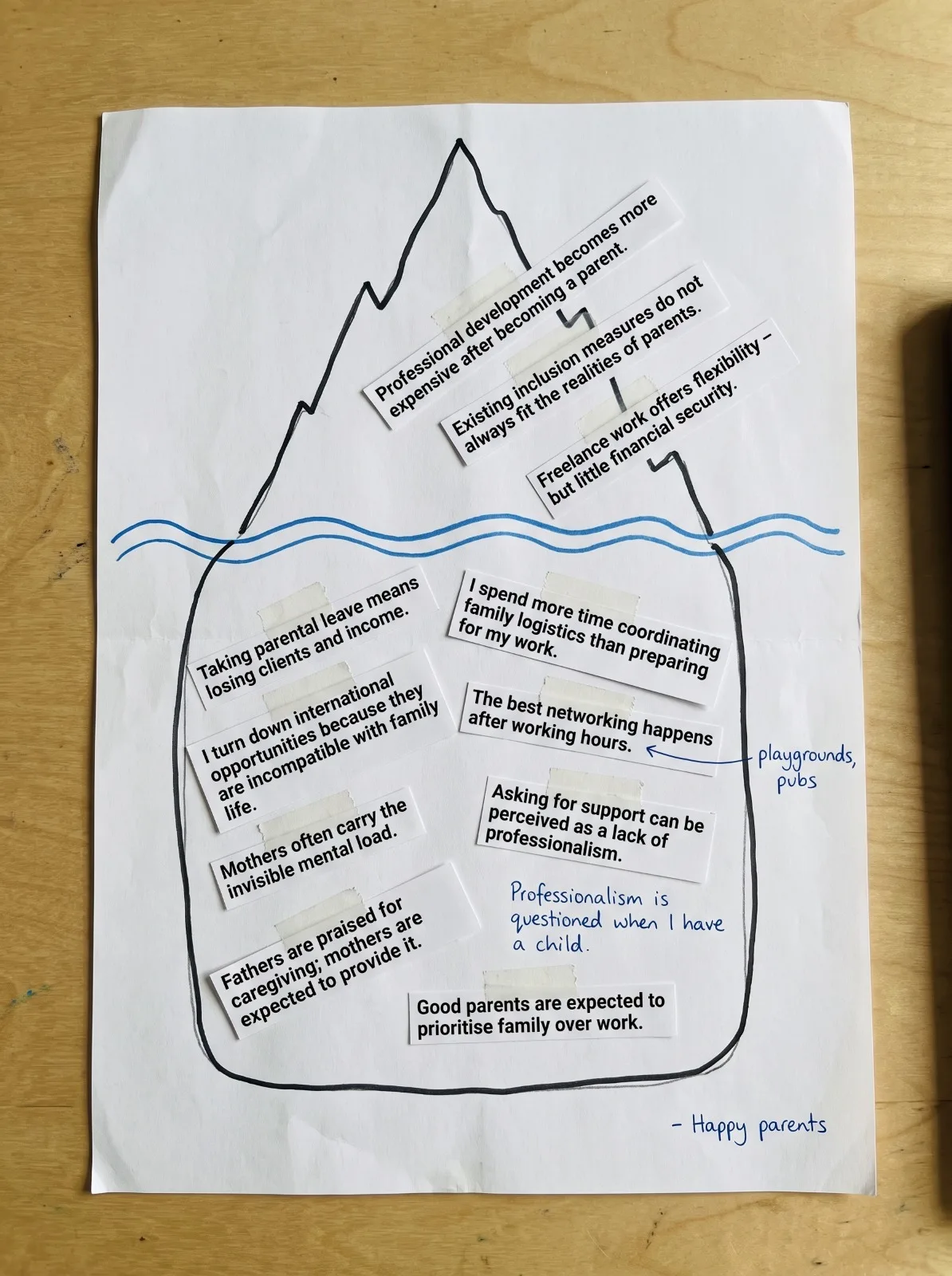
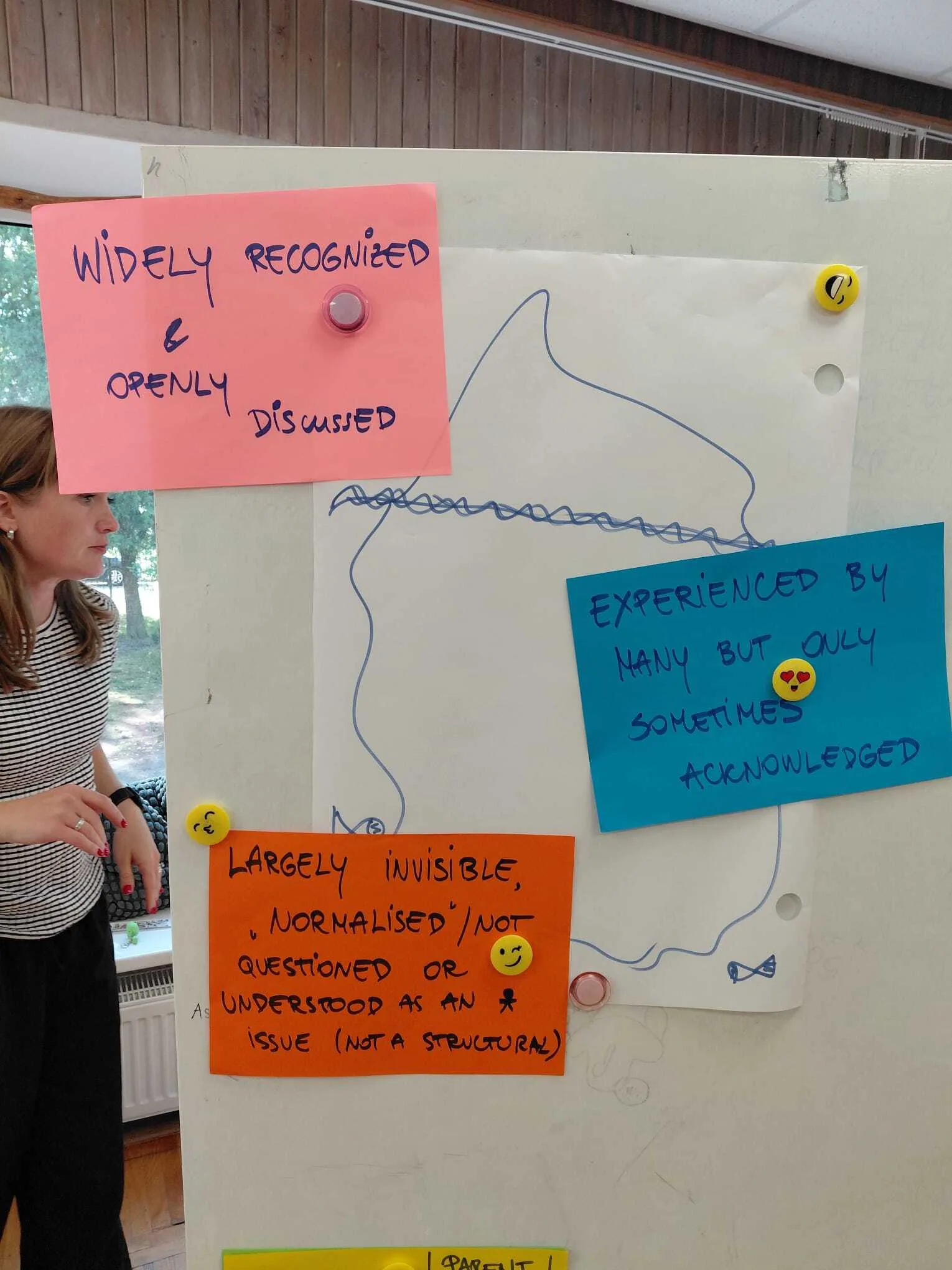
Through workshops, peer learning, the iceberg model and the socio-ecological model, participants explored how caregiving affects professional participation at individual, organisational, national and Erasmus+ level. They also co-created a survey and took part in an expert roundtable.
Co-funded by the European Union. Views and opinions expressed are however those of the author(s) only and do not necessarily reflect those of the European Union, European Commission or the granting authority (Agency for International Programs for Youth). Neither the European Union nor the granting authority can be held responsible for them.